

Rating: 9.7/10
Reviewed by: Techziano Editorial Team
Last Updated: July 2026
Quick Verdict
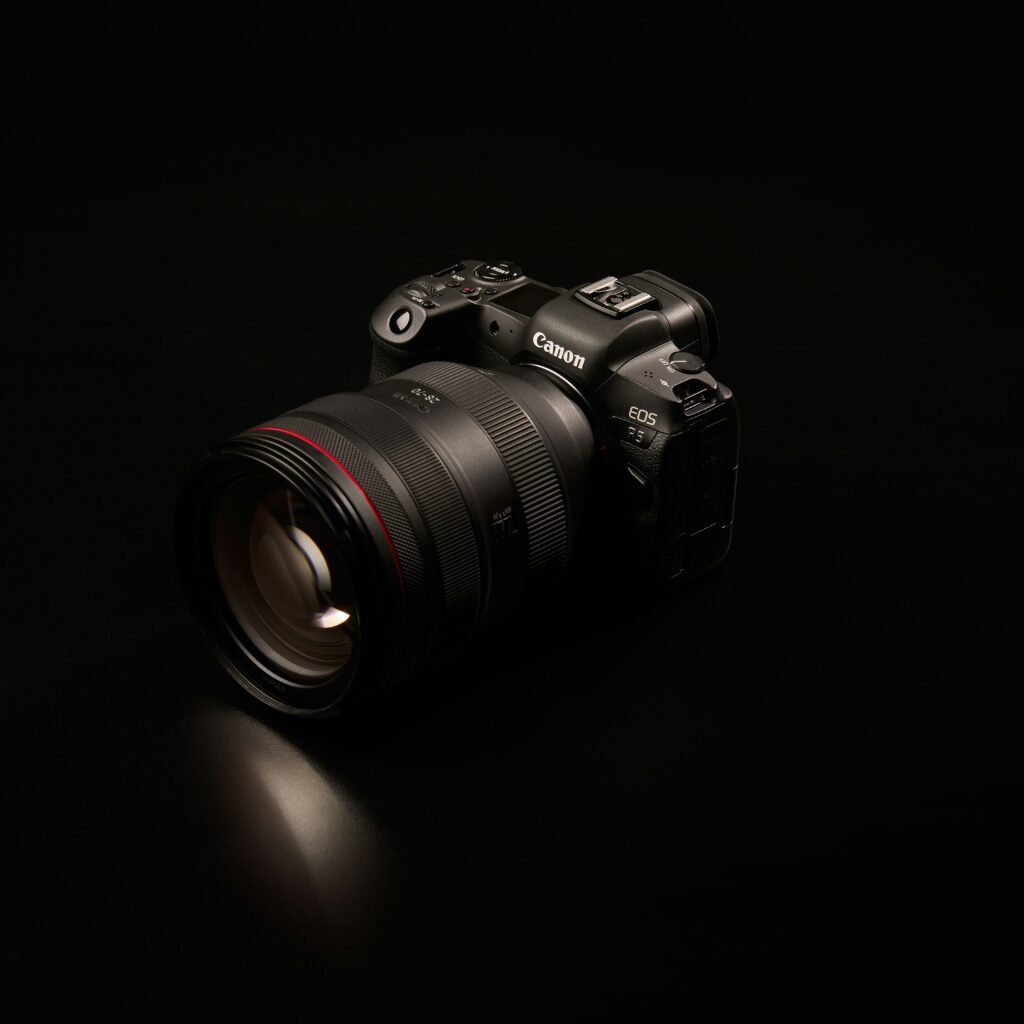
The Canon EOS R6 Mark III is Canon’s most balanced hybrid camera yet. It blends a higher-resolution 32.5MP full-frame sensor, lightning-fast autofocus, professional-grade video features, and excellent ergonomics into a body that’s equally at home shooting weddings, wildlife, sports, travel, and YouTube content. With 7K RAW, oversampled 4K, 40 fps electronic burst shooting, and Canon Log 2, it delivers meaningful upgrades for both photographers and filmmakers.
If you want one camera that excels at both photography and video without stepping up to Canon’s flagship lineup, the EOS R6 Mark III is one of the strongest options in its class.
Pros & Cons
Pros
- Excellent 32.5MP full-frame image quality
- Outstanding Dual Pixel CMOS AF II autofocus
- 40 fps electronic shooting
- Professional 7K RAW and oversampled 4K video
- Excellent in-body image stabilization
- Comfortable Canon ergonomics
- CFexpress + SD dual-card setup
Cons
- More expensive than the R6 Mark II
- CFexpress cards increase storage costs
- EVF and LCD see fewer hardware changes than some users hoped

Specifications
| Feature | Canon EOS R6 Mark III |
|---|---|
| Sensor | 32.5MP Full-Frame CMOS |
| Processor | DIGIC X |
| Burst Shooting | Up to 40 fps Electronic / 12 fps Mechanical |
| Video | 7K RAW, 7K Open Gate, Oversampled 4K, 4K120 |
| Autofocus | Dual Pixel CMOS AF II |
| Stabilization | Up to 8.5 stops (with compatible lenses) |
| Card Slots | CFexpress Type B + UHS-II SD |
| Mount | Canon RF |
| Launch Price | $2,799 (Body Only) |

Design & Build Quality
Canon hasn’t completely redesigned the EOS R6 Mark III, and that’s actually a good thing.
The body remains comfortable to hold during long shooting sessions thanks to Canon’s deep grip and well-spaced controls. Weather sealing and overall construction inspire confidence for outdoor photography, travel, and event work.
One welcome change is the addition of a CFexpress Type B slot alongside a UHS-II SD card slot, giving photographers faster buffer clearing and videographers the bandwidth needed for high-end recording formats.
Techziano Bottom Line: The R6 Mark III feels like a refined professional tool rather than a flashy redesign.
Image Quality
Image quality is where the EOS R6 Mark III makes its biggest leap.
The move from 24MP to 32.5MP gives photographers noticeably more cropping flexibility without sacrificing the strengths that made the R6 series popular.
Portraits display Canon’s familiar natural skin tones, landscapes retain excellent detail, and the increased resolution benefits wildlife and sports photographers who often crop aggressively.
Dynamic range is also excellent, allowing highlights and shadows to be recovered effectively when shooting RAW. Combined with Canon’s dependable color science, images require minimal editing before they’re ready for clients or social media.
Techziano Tip: Wedding and portrait photographers will especially appreciate the extra resolution for large prints and tighter crops.
Autofocus Performance
Canon’s Dual Pixel CMOS AF II continues to be among the best autofocus systems available.
The camera tracks:
- People
- Animals
- Vehicles
It recognizes eyes quickly, maintains focus on moving subjects, and performs confidently in demanding situations such as sports events and wildlife photography. Canon has also expanded subject recognition features for hybrid creators.
Whether photographing children running, birds in flight, or athletes, the autofocus feels dependable rather than unpredictable.
Rating: 5/5

Video Performance
The EOS R6 Mark III isn’t simply a photography camera with video features—it is a serious hybrid system.
It supports:
- 7K RAW recording
- 7K Open Gate
- Oversampled 4K
- 4K at up to 120 fps
- Canon Log 2
- Canon Log 3
These additions give creators more flexibility for professional color grading, vertical video cropping, and cinematic workflows.
For YouTubers and commercial videographers, the camera bridges the gap between Canon’s enthusiast mirrorless line and its Cinema EOS range.
Image Stabilization & Battery
Canon rates the EOS R6 Mark III for up to 8.5 stops of image stabilization with compatible RF lenses, helping photographers shoot handheld at slower shutter speeds and giving videographers smoother footage without always needing a gimbal.
Battery life remains dependable for a camera in this class, and USB-C charging makes it easy to top up during travel or long shooting days.
Canon EOS R6 Mark III vs Sony A7 IV vs Nikon Z6 III
| Feature | Canon R6 III | Sony A7 IV | Nikon Z6 III |
|---|---|---|---|
| Resolution | 32.5MP | 33MP | 24.5MP |
| Burst Speed | 40 fps | 10 fps | 20 fps |
| Video | 7K RAW / 4K120 | 4K60 | 6K RAW / 4K120 |
| Autofocus | Excellent | Excellent | Excellent |
| Hybrid Use | Excellent | Very Good | Excellent |
The Sony A7 IV remains a fantastic all-rounder, while the Nikon Z6 III is a compelling hybrid option. However, the Canon R6 Mark III stands out with its combination of fast burst shooting, advanced video capabilities, and Canon’s refined autofocus system.
Who Should Buy It?
Buy the Canon EOS R6 Mark III if you:
- Photograph weddings or events.
- Shoot wildlife or sports.
- Create YouTube videos.
- Need one camera for both photography and filmmaking.
- Already own Canon RF lenses.
Who Should Skip It?
Consider another camera if you:
- Mainly shoot casual family photos.
- Rarely use advanced video features.
- Already own the EOS R6 Mark II and don’t need the additional resolution or video upgrades.
Frequently Asked Questions
Is the Canon EOS R6 Mark III worth upgrading to?
If you’re coming from the original EOS R6, the improvements in resolution, burst shooting, autofocus, and video are substantial. R6 Mark II owners should weigh whether the added hybrid features fit their workflow.
Is it good for wildlife photography?
Yes. The combination of 40 fps electronic shooting, advanced autofocus, and the higher-resolution sensor makes it an excellent wildlife camera.
Is it good for YouTube?
Absolutely. With Canon Log 2, oversampled 4K, 7K Open Gate, and reliable autofocus, it’s one of Canon’s strongest cameras for content creators.
Does it support dual memory cards?
Yes. It uses one CFexpress Type B slot and one UHS-II SD slot.
Final Verdict
The Canon EOS R6 Mark III is one of Canon’s most complete hybrid cameras to date. Instead of making cosmetic changes, Canon focused on meaningful upgrades that photographers and filmmakers will actually notice: a higher-resolution sensor, professional-grade video options, faster burst shooting, and improved workflow features.
It’s not the cheapest full-frame camera available, and the move to CFexpress storage adds to the overall cost of ownership. However, for creators who demand a camera capable of handling weddings, wildlife, sports, portraits, and professional video production without compromise, the EOS R6 Mark III justifies its premium positioning.
Techziano Rating: 9.7/10
Editor’s Choice 2026
Our More Blogs
Here are some of them

Hi, I am the founder of Techziano and a technology enthusiast passionate about AI, software, web development, cybersecurity, and emerging technologies. I creates practical tutorials, software reviews, and technology insights to help readers stay informed and build valuable digital skills.